Technical content
Reference material on gears, worm wheel and shaft sets, industrial gearboxes and manufacturing parts from technical drawing or physical sample.
Library
Technical articles
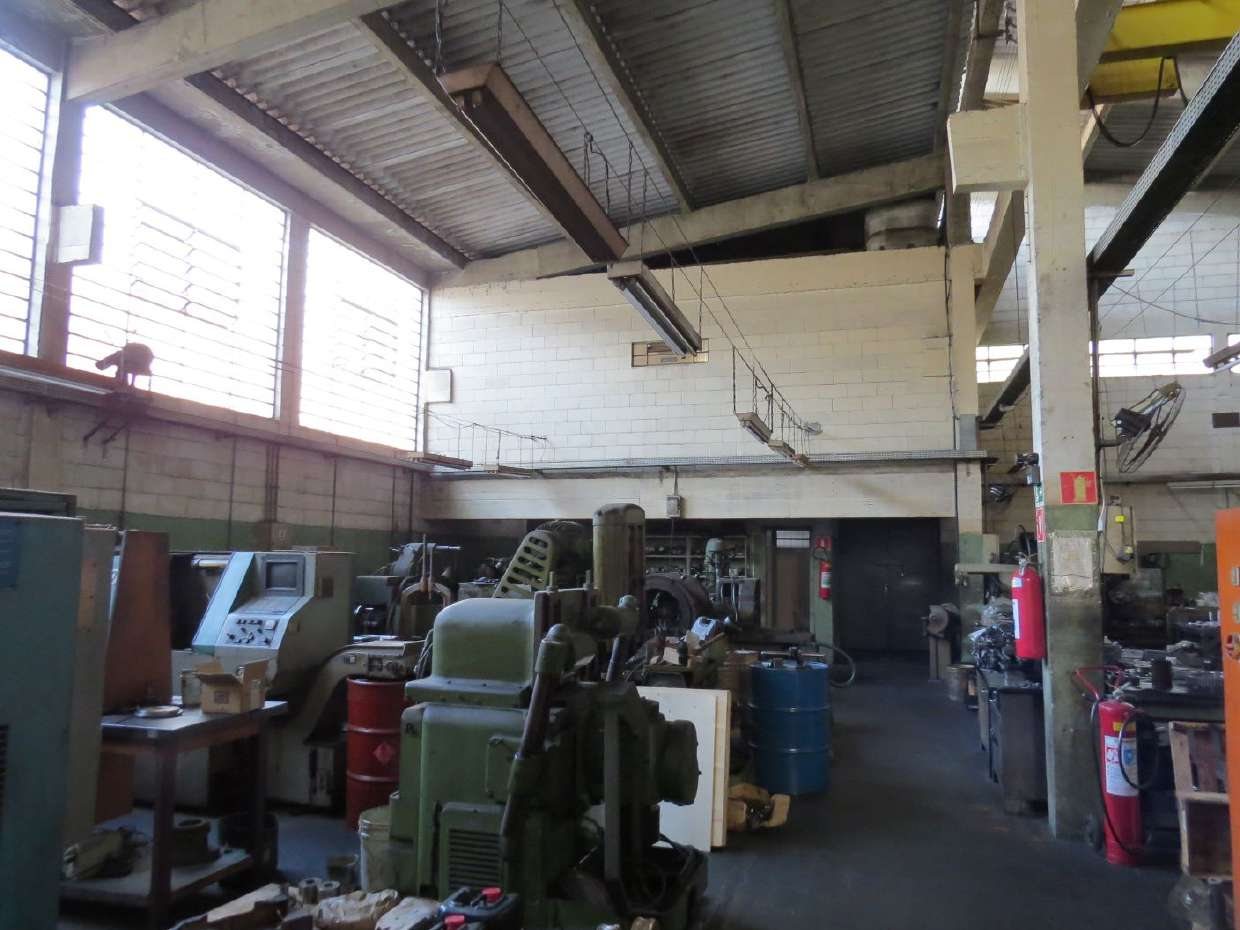
Based on the manufacturing and reconditioning of components at our plant in Brás, São Paulo.
Spur or helical gears: what are the differences?
Both geometries transmit motion between parallel shafts, but behave differently under load and in terms of noise and bearing forces. Understanding these differences helps prevent replacement errors.
Read articleWhat is the module of a gear?
Module defines tooth size. It is the first piece of information we need to quote or reproduce a gear, and it can be estimated even when no technical drawing is available.
Read articleHow to identify wear in industrial gears
The tooth surface records the history of the drive. Reading these marks helps determine whether to recondition, replace or address the underlying cause before replacement.
Read articleWhen should an industrial gearbox be overhauled?
Noise, vibration, overheating and leaks rarely occur in isolation. Reconditioning begins by identifying the cause, not by replacing parts.
Read articleMain causes of industrial gearbox failure
Almost every gearbox failure leaves a signature on its components. Recognising it helps prevent the same shutdown from recurring.
Read articleWhat is a bronze worm wheel, and why is it used with a worm shaft?
Contact in a worm gear set is predominantly sliding. Choosing bronze for the wheel is a design decision, not simply a matter of cost.
Read articleHow to reproduce a gear when the technical drawing is no longer available
Manufacturing from a physical component is routine in industrial maintenance. The quality of dimensional assessment determines the result.
Read articleWhen is it worth reconditioning an industrial component instead of replacing it?
The decision is rarely about cost alone. Shutdown duration, replacement availability and component condition carry more weight.
Read articleTypes of industrial gears and their applications
Each gear type addresses particular shaft arrangements, loads and space constraints. This overview covers the types we manufacture and where they are commonly used.
Read articleHow to request a quotation for gear manufacturing
An accurate quotation depends on a few essential details. This guide explains what helps and what is not mandatory for an initial inquiry.
Read article
Have a specific component to assess?
Send a technical drawing or physical sample for assessment. Photos can support the initial review, but manufacturing requires a drawing or sample.